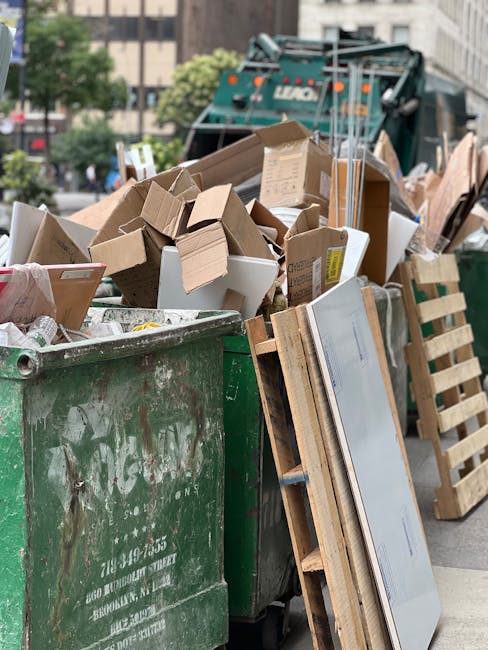
What to know about same day rubbish collection in Greenwich
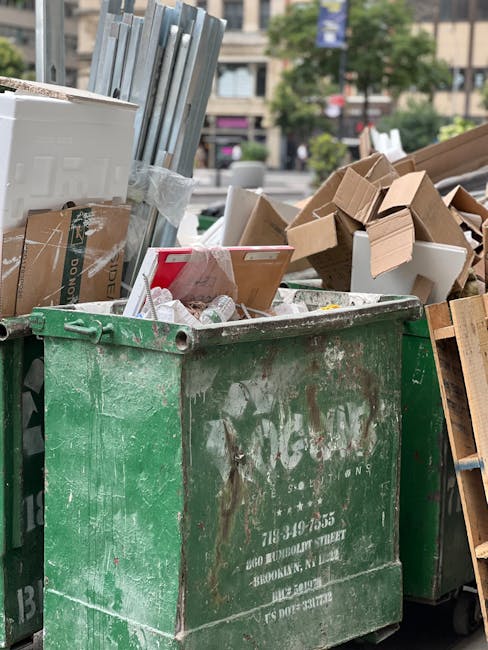
If you need rubbish gone quickly, same day rubbish collection in Greenwich can be a real lifesaver. Maybe you're clearing a flat before a move, dealing with a messy post-renovation pile, or just staring at a hallway that has turned into a temporary storage zone. We've all been there. The key thing is knowing how the service works, what can be taken, what to ask before booking, and where the common traps are.
This guide walks you through the practical side of fast waste removal in Greenwich: the speed, the likely costs, the access issues that catch people out, and the compliance points that matter in London. It's written to help you make a sensible decision, not a rushed one. Because quick is great - but quick and well-organised is better.
Why same day rubbish collection in Greenwich matters
Speed matters when waste starts affecting how you live or work. A blocked entrance, a growing pile of bags, or bulky items left in a front room can become more than an eyesore. They can affect safety, create stress, and make a property feel difficult to use. In Greenwich, where many homes and businesses deal with limited parking, narrow streets, flats, and shared access, delay can make the problem feel twice as big.
Same day service is useful because it compresses the whole process into one day: enquiry, quote, collection, and clearance. That can be especially valuable when you're working to a move-out deadline, preparing for contractors, or dealing with an unexpected bulk waste issue. Truth be told, once rubbish starts blocking daily routines, most people want it gone yesterday, not next week.
There's also a practical local angle. In busy London areas, waste left too long can attract complaints from neighbours, make access awkward for deliveries, or simply get in the way of normal life. Fast collection helps you get back to normal sooner. And that calm, cleared-out feeling? You notice it immediately.
Key takeaway: same day rubbish collection is not just about speed; it's about reducing disruption, keeping access clear, and handling waste in a way that fits the realities of Greenwich properties.
How same day rubbish collection in Greenwich works
The process is usually simpler than people expect. You contact the provider, describe the waste, share a rough estimate of volume, and arrange a collection time. In many cases, the team can give a price estimate from photos. If the waste is straightforward and access is clear, pickup can often happen the same day.
Most services follow a pattern like this:
- Initial enquiry: You explain what needs removing, where it is, and how urgently it needs to go.
- Assessment: The provider checks the amount and type of waste, plus access details such as stairs, narrow entrances, parking restrictions, or lift use.
- Quote: You receive a price based on volume, weight, labour, and any special handling needs.
- Collection window: A same day time slot is arranged, sometimes with a call before arrival.
- Removal and loading: The team collects the waste, often sorting recyclable materials as they go.
- Responsible disposal: The waste is taken for processing, reuse, recycling, or disposal, depending on the material.
That sounds neat on paper, and often it is. But in real life, the little details matter. A bag of old clothes in a ground-floor house is a different job from a sofa, broken wardrobe, and half a shed's worth of timber on the third floor. Same-day collection is fast, yes, but the quote and timing still depend on logistics.
One important thing to understand: "same day" usually means the collection is arranged within the same calendar day, not necessarily within an hour. If you need a tight deadline, say so early. Otherwise you may get a broad window that sounds fine at 9 a.m. and slightly less fine by lunch time when you're still waiting in the hallway with a load of boxes.
Key benefits and practical advantages
Same day collection solves more than a mess. It removes friction from the rest of your day. That's the real value.
- Fast space recovery: Rooms, hallways, gardens, and offices become usable again quickly.
- Less disruption: Ideal when tradespeople, letting agents, movers, or tenants are on a schedule.
- Reduced safety risks: Fewer trip hazards, less blocked access, and less clutter.
- Better for urgent clearances: Handy after a last-minute declutter, property handover, or end-of-tenancy clean.
- Useful for bulky items: Furniture, mattresses, appliances, and awkward loads are easier to deal with in one visit.
- Less stress: You don't have to stockpile rubbish while waiting days for a slot.
There's another benefit people don't always think about: momentum. Once a property is cleared, the next task suddenly feels doable. Painting, cleaning, decorating, listing a property, or moving furniture is much easier when the waste has gone. Small win, but a very real one.
For many Greenwich residents, same day collection also avoids the hassle of handling heavy items yourself. If you've ever tried moving a damp sofa down a narrow stairwell at the end of a long day, well, let's just say nobody feels noble at that point.
Who this is for and when it makes sense
Same day rubbish collection is not only for emergencies. It suits a surprising range of situations, especially where access, deadlines, or bulky items are involved.
This service often makes sense for:
- Homeowners and renters clearing out unwanted household junk
- Landlords between tenancies
- Estate agents preparing a property for viewings
- Tradespeople finishing a renovation or rip-out job
- Small businesses needing fast office or stockroom clearance
- Anyone dealing with oversized items that won't fit in a car
It can also be a smart choice if you live in a flat with awkward access. Greenwich has plenty of properties where turning a bulky item around corners is half the battle. If the route out of the property is tight, having a professional team do the lifting can save time, damage, and a lot of gritted teeth.
That said, same day is not always the best option. If your waste is light, non-urgent, and easy to store safely, a scheduled collection can be more economical. The right choice depends on whether speed is essential or simply convenient.
Step-by-step guidance
If you want the smoothest possible same day collection, a bit of prep goes a long way. Here's the practical route.
- Sort the waste into rough categories. Keep general rubbish, bulky items, garden waste, and any special items separate where possible.
- Take clear photos. Wide shots help the provider estimate volume; close-up shots help identify tricky items.
- Check access. Note stairs, lifts, parking restrictions, gated entrances, or narrow hallways.
- List anything unusual. Items such as fridges, mattresses, confidential documents, or potentially hazardous materials should be declared early.
- Ask how pricing works. Find out whether the quote is based on volume, weight, labour, or item type.
- Confirm the collection window. Same day can still mean a broad time slot, so ask for a realistic estimate.
- Prepare the area. Move waste to one place if possible and clear a path for the team.
- Stay reachable. A quick call or message can prevent delays if the team is navigating traffic or finding the property.
A small thing, but useful: if you're clearing a flat, keep building entry details handy. Buzzing the wrong door or waiting for someone to find parking can waste valuable time. In London, the first ten minutes are often the fiddliest.
Expert tips for better results
Good rubbish collection is about reducing surprises. That's where most time and money get lost.
1. Be precise about what you need removed. A "bit of rubbish" can mean anything from three bags to a garage full of mixed waste. The clearer you are, the better the quote and the fewer awkward conversations later.
2. Photograph awkward items in context. A sofa on a landing, for example, tells a much better story than a sofa on its own. Access affects labour, and labour affects cost.
3. Separate recyclables where practical. It can make handling simpler and may improve how efficiently the waste is processed. Services focused on recycling and sustainability are usually better placed to explain what happens to mixed loads.
4. Ask about special categories early. Fridges, mattresses, sofas, and electronics may need different handling. The same goes for items that may contain confidential material, such as paperwork from an office clear-out. If needed, look at confidential shredding before you book the collection.
5. Don't leave heavy lifting to chance. If an item is too heavy, too awkward, or too risky to move safely, tell the provider. It is better to say so upfront than improvise on the day.
6. Choose timing carefully. Early bookings can help with access and traffic. Midday in Greenwich can be busy enough without adding a full van load and a blocked driveway into the mix.
7. Keep the collection area safe and open. Clear pets, children, and loose clutter from the path. The more straightforward the route, the faster the job tends to go.
One more honest tip: if your request sounds like a mixed-up attic, half a garage, and a mystery pile from the garden, say that. No one benefits from vague descriptions. Not you, not the collector, not the poor person trying to estimate the load from a blurry photo.
Common mistakes to avoid
Most collection problems are avoidable. The biggest issues tend to come from assumptions, not the service itself.
- Underestimating volume: A few extra bags can push a load into a different price band.
- Hiding special items: Appliances, mattresses, or hazardous materials should never be sprung on the team at the last minute.
- Ignoring access issues: Narrow stairs, parking restrictions, or locked gates can delay the job.
- Not asking about disposal methods: You want to know how waste will be handled, especially if reuse or recycling matters to you.
- Leaving things until the last minute: Same day services are quick, but not magical. If you need a specific window, plan for it.
- Choosing on price alone: The cheapest quote is not always the best value if it excludes key services or creates delays.
One common headache is forgetting that bulky waste can be heavier than it looks. A wardrobe that seems easy enough at first glance can become a two-person shuffle through a narrow corridor. That's where the right crew really earns its keep.
Tools, resources and recommendations
You do not need a complex toolkit to get ready for a collection, but a few practical tools help.
- Phone camera: Use it to photograph the waste pile from more than one angle.
- Measuring tape: Useful for checking whether large furniture will fit through doors or down stairs.
- Bin bags or boxes: Handy for loose items, paperwork, textiles, and small rubbish.
- Marker pen or labels: Helpful if you want to separate items to keep, donate, recycle, or remove.
- Gloves and sturdy shoes: Worth it if you're moving small items around before collection.
On the service side, a good provider should offer clear pricing, reasonable booking options, and transparent explanations of what can be taken. If you are comparing options, the pricing and quotes page is a sensible place to understand what affects the final cost, especially for mixed or bulky loads.
For specific item types, it also helps to know the specialist service pages. For instance, furniture clearance, garden clearance, garage clearance, and loft clearance can all be relevant depending on where the waste is coming from. Different jobs, different headaches.
If you're trying to decide whether a general or specialised collection is best, it can also be useful to review waste removal alongside home clearance or office clearance. That gives you a better sense of scope before you book.
Law, compliance, standards, and best practice
Waste collection in the UK comes with responsibility. You do not need to become a legal expert, but you should know the basics. Waste should be handled, transported, and disposed of properly. In practice, that means using a provider that follows recognised standards, has appropriate insurance, and can explain how waste is managed.
For customers, the important question is simple: where does the waste go, and is it being handled responsibly? You're not expected to inspect the back of the van yourself, but you should expect clear answers. Good operators will be transparent about their processes and happy to discuss safety, handling, and disposal routes.
For mixed loads, special care may be needed for items that are hazardous, sharp, contaminated, or electrically unsafe. If a provider cannot remove something, it is usually because it requires a separate route or specialist treatment. That is normal. Better to say no than to guess.
It also helps to understand the difference between general rubbish, recyclable materials, and restricted waste. For example, old appliances may need separate handling. If you need to remove a fridge or similar item, take a look at fridge and appliance removal. For disposal of items that could pose additional risks, hazardous waste disposal is the right place to start.
Best practice also includes reasonable care on site: safe lifting, clear pathways, proper loading, and attention to the property. That matters in flats, shared corridors, and busy commercial premises where one careless move can cause damage. In our experience, the good teams are the ones that move quickly and leave the space looking calmer than when they arrived.
Options, methods, and comparison table
There are a few common ways to deal with urgent rubbish. The right one depends on what you're removing, how much there is, and how quickly you need it gone.
| Option | Best for | Pros | Trade-offs |
|---|---|---|---|
| Same day rubbish collection | Urgent clearances, bulky items, access-heavy jobs | Fast, convenient, minimal disruption | Can cost more than planned collections; timing may still depend on route and access |
| Pre-booked waste removal | Non-urgent household or business waste | Often easier to schedule, useful for planned clear-outs | Slower if you need the space immediately |
| Specialist clearance service | Furniture, lofts, garages, offices, or specific item types | Better tailored to the job, usually more efficient for complex loads | May not suit simple bagged rubbish if the job is very small |
| Self-removal | Small amounts, easy access, light waste | Can be cheaper if you already have transport | Time-consuming, physically demanding, and not ideal for large or awkward loads |
If you're dealing with furniture, bulky household items, or a tight property layout, specialist support is often the most efficient route. For instance, the mattress and sofa disposal page is useful if the job centres on large upholstered items, while builders waste clearance makes more sense after renovation work. Different problems, different solutions. Obvious, perhaps, but easy to miss when you're in a rush.
Case study or real-world example
A Greenwich flat resident gets in touch late morning after realising a sofa, broken coffee table, and several bags of mixed household waste need to be removed before new flooring is installed the following day. The hallway is narrow, parking is tight, and the building has a shared entrance. Not ideal.
Instead of trying to shift everything alone, they send clear photos, explain access details, and mention the lift size and parking situation. The collection team gives a quote based on the volume and the fact that one item is bulky. The time slot is arranged for later that afternoon.
On arrival, the team checks the route, protects the path where needed, and removes the items without the resident having to drag anything downstairs. The job takes less time than expected because the waste was grouped neatly and the access details were accurate. By the evening, the flat feels open again. Not glamorous, but very satisfying.
That kind of outcome is common when the customer gives clear information upfront. Same day collection works best when both sides know what they're dealing with.
Practical checklist
Use this before you book or on the morning of collection.
- Identify exactly what needs removing
- Take photos from a few angles
- Estimate how much space the waste takes up
- Check whether any item is hazardous, fragile, or unusually heavy
- Measure narrow doors, stair turns, or lift dimensions if access is tight
- Confirm parking or loading restrictions
- Ask whether the quote includes labour and disposal
- Keep the area clear and safe
- Separate anything you want to keep
- Make sure someone can answer the phone if the crew needs directions
If you want a smooth result, this little checklist does most of the heavy lifting. The job becomes easier, the quote is usually clearer, and you avoid last-minute panic. That's a decent trade, really.
Get a free quote today and see how much you can save.
Conclusion
Same day rubbish collection in Greenwich is at its best when it solves a real problem quickly: clutter, bulky waste, tight deadlines, or a property that simply needs to breathe again. The strongest results come from clear communication, honest descriptions of the waste, and a provider that handles access and disposal properly.
If you remember just one thing, make it this: speed matters, but clarity matters more. A good same day collection should feel efficient, safe, and straightforward, not rushed or vague. When that happens, the whole experience becomes less of a chore and more of a relief.
And honestly, that relief is worth a lot when the hallway is finally clear and the room sounds a bit quieter than it did before.
Frequently Asked Questions
What counts as same day rubbish collection in Greenwich?
It usually means the waste is collected on the same calendar day you make the booking, subject to availability, access, and the type of rubbish. The exact time window can still vary.
How much rubbish can be collected the same day?
That depends on the provider, the vehicle size, and the nature of the load. Small bagged waste is straightforward, while bulky or mixed items may need more time, space, or labour.
Can I book same day rubbish collection for bulky items like a sofa or mattress?
Yes, bulky items are one of the most common reasons people use fast collection. Sofas, mattresses, wardrobes, and similar items are often handled through specialist clearance services.
Is same day rubbish collection more expensive than booking ahead?
It can be, because urgent collection often depends on immediate availability and flexible routing. The final price still depends more on volume, item type, and access than on speed alone.
What information should I give when asking for a quote?
Share what you need removed, how much there is, where it is located, and any access issues. Photos usually help a lot, especially for bulky or awkward items.
Do I need to move the rubbish outside before collection?
Not always. Many services will collect from inside the property, but access conditions matter. If you can safely move items closer to the exit, it may help speed things up.
What happens if I have mixed waste?
Mixed waste is common, but it may affect pricing and sorting. It's best to mention everything upfront, including appliances, furniture, garden waste, or any items that need special handling.
Can same day rubbish collection handle office clearances?
Yes, if the load and access are manageable. Offices often need urgent removal for furniture, stock, paperwork, or equipment, and quick collection can help reduce business disruption.
How do I know the company disposes of waste properly?
Ask clear questions about disposal, recycling, insurance, and how waste is processed. A trustworthy provider should be able to explain their approach in plain English.
What if I have something hazardous or unusual to remove?
Say so before booking. Hazardous or restricted items may need a specialist route, and some providers will not take them as part of a standard same day collection.
Is same day rubbish collection suitable for flats and properties with tight access?
Yes, and in Greenwich that is often exactly where it helps most. Just be upfront about stairs, lifts, parking, narrow hallways, or gate access so the team can plan properly.
What's the best way to prepare for collection on the day?
Group the waste together, clear the route, keep pets and children away from the work area, and make sure your phone is handy. A few small preparations can save a lot of faff.