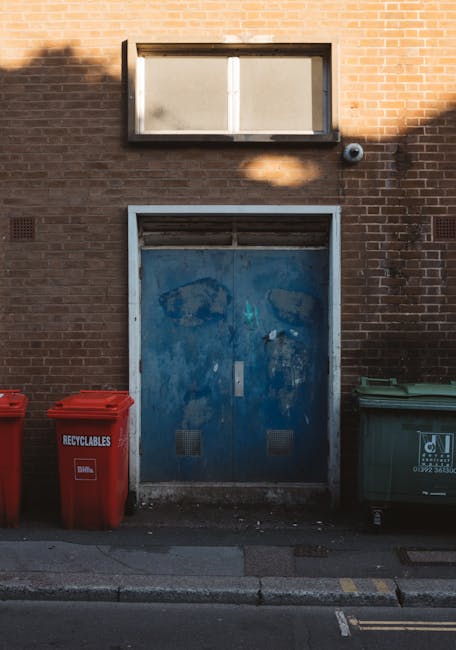
Maze Hill SE10 rubbish uplift guide for flats

If you live in a flat near Maze Hill in SE10, rubbish uplift can feel oddly complicated for something that should be simple. Narrow stairwells, shared hallways, awkward timing, neighbours who want the landing clear by tea-time - it all adds up. This Maze Hill SE10 rubbish uplift guide for flats breaks the process down in plain English, so you can plan a lift-out without the usual stress, missed collections, or last-minute panic about where to put a broken sofa or a pile of old boxes.
The good news? With a sensible plan, flat rubbish uplift is usually straightforward. The key is knowing what needs to go, what can be moved safely, what needs special handling, and how to avoid turning a simple clear-out into a corridor drama. Let's get into it.
- Why it matters
- How it works
- Key benefits and practical advantages
- Who this is for
- Step-by-step guidance
- Expert tips
- Common mistakes to avoid
- Tools, resources and recommendations
- Law, compliance and best practice
- Options and comparison
- Real-world example
- Practical checklist
- Conclusion
- Frequently asked questions
Why Maze Hill SE10 rubbish uplift guide for flats Matters
Flat living brings a few extra layers to rubbish removal. You are not just dealing with your own front door. You are dealing with shared entrances, communal bins, lift access if you have one, and the simple fact that bulky waste does not always fit neatly into flat-life routines. A few black bags are one thing. A mattress, dismantled wardrobe, old shelving, and a broken appliance are another story entirely.
In Maze Hill and the wider SE10 area, flats often have limited storage space, which means waste builds up quickly. A spare chair becomes a storage solution. A pile of packaging stays in the corner. Then, before you know it, the spare room looks like a half-finished stage set. Happens all the time.
This matters because poor rubbish uplift planning can lead to:
- blocked communal areas and complaints from neighbours
- items left outside at the wrong time
- trip hazards in hallways or stairwells
- missed deadlines if you are moving out or refurbishing
- extra handling costs if access is not prepared properly
There is also the bigger picture. A careful uplift helps separate reusable items from general waste, and it supports better recycling outcomes. If you want a more sustainable approach, it helps to understand your options and what can be reused, repaired, or sent for responsible disposal. The team at recycling and sustainability has more on the wider approach, and it is worth reading if you care about the environmental side as much as the practical one.
How Maze Hill SE10 rubbish uplift guide for flats Works
At its simplest, rubbish uplift means removing unwanted items from a flat and taking them away for sorting, reuse, recycling, or disposal. The exact method depends on the volume and type of waste, as well as how easy it is to access the property. For flats, access is often the biggest moving part.
A typical uplift might include:
- bagged general rubbish
- bulky items such as furniture
- white goods or appliances, where accepted
- miscellaneous household clutter
- builder-style debris from light refurbishment, if appropriate
The practical process usually looks like this: identify what is going, group it by type, confirm access details, and arrange collection. A good provider will want to know things like stair access, parking restrictions, lift availability, and whether items need carrying down several floors. That is not fussiness; it is how they plan the job correctly and avoid surprises on the day.
In a flat, even the smallest details can matter. Is the hallway narrow? Is the lift working? Is there a coded door? Can a team carry items out during set hours? Those little questions save a lot of awkwardness later.
If your uplift includes furniture, it can help to look at related services such as furniture disposal or furniture clearance for the right handling of larger household items. For flats with mixed waste, a broader waste removal service can be the simplest fit.
Key Benefits and Practical Advantages
A well-planned rubbish uplift is not just about getting rid of stuff. It gives you breathing room. Honestly, that matters more than people admit. A clean flat feels calmer, easier to clean, and less visually noisy. You notice the difference straight away.
- Frees up space fast: Useful if you are moving, renovating, renting out, or just trying to live without stacked clutter.
- Reduces stress: One booking can clear out weeks of low-level annoyance.
- Helps with safety: Fewer trip hazards, fewer heavy items left in the wrong place.
- Improves neighbour relations: Shared entrances and landings stay clear and courteous.
- Makes recycling easier: Items can be sorted properly instead of dumped in a rushed way.
- Saves time: Especially if you do not have a car, a van, or the energy for multiple tip runs.
There is also a quieter benefit: it makes decision-making easier. Once the clutter is gone, you can see the flat properly again. People often realise they do not need to redecorate as much as they thought. Sometimes the room was just full. Simple as that.
For larger clear-outs, the convenience of a single coordinated uplift can be better than piecing it together with multiple trips. If you are comparing service types, it may also be useful to review flat clearance for full-property clear-outs and house clearance if the job is broader than a single flat.
Who This Is For and When It Makes Sense
This kind of guide is for anyone in a flat who needs waste removed without turning the whole building upside down. The most common situations are quite ordinary, which is exactly why people delay them.
- Tenants moving out: You need the flat emptied before checkout, and time is tight.
- Landlords and agents: You want a reset between lets, ideally without chasing tiny bits of rubbish for days.
- Homeowners in apartments: Renovations, decluttering, or replacing furniture can produce more waste than expected.
- Downsizers: A major sort-out often creates mixed items, from usable furniture to general junk.
- Residents clearing a storage cupboard or balcony: Those spaces tend to fill up quietly, then all at once.
It makes sense whenever the waste is too bulky, too much for the communal bins, or simply too awkward to manage safely on your own. To be fair, if you have ever tried to move a wardrobe down a stairwell at 8pm, you already know why people call in help.
It is also sensible if the items include anything that needs special handling. For example, fridges, freezers, and some appliances are best handled separately through a dedicated fridge and appliance removal service. Sofas and mattresses can also be better treated as specialist items, which is where mattress and sofa disposal can be useful.
Step-by-Step Guidance
If you want the process to go smoothly, the best thing you can do is follow a simple sequence. No need to overcomplicate it.
- Walk through the flat room by room. Decide what is staying, what is going, and what might be donated, reused, or dismantled.
- Separate waste types. Put general rubbish, bulky items, electronics, appliances, and hazardous materials into different groups where possible.
- Check access. Measure doorways, note stair counts, confirm lift access, and think about parking or loading restrictions.
- Remove personal items first. It sounds obvious, but it is very easy to forget paperwork, chargers, keys, or sentimental bits tucked into drawers.
- Flag anything sensitive or hazardous. Paint, chemicals, batteries, or sharp materials need proper attention.
- Book the uplift. Share accurate details so the collection can be planned properly. If you want a clearer picture of cost factors, have a look at pricing and quotes.
- Prepare the route. Keep corridors and entrance paths clear on collection day. Little obstruction, big difference.
- Confirm the finish. Make sure everything intended for removal is clearly identified before the team arrives.
A small but useful tip: take photos of larger items and the access route if the booking process allows it. It saves time, and it prevents the classic "oh, it looked smaller on the website" problem. We have all been there.
Expert Tips for Better Results
Here are the practical things that tend to make the biggest difference, especially in flats where space is tight and the building has its own rhythms.
- Book at a sensible time: Mid-morning or early afternoon often works better than the rush of school runs, deliveries, or evening foot traffic.
- Use one staging area: If you can, gather items in one room rather than scattered across the flat. It keeps the job organised.
- Disassemble bulky items where safe: Flat-pack pieces, bed frames, and shelving are usually easier to move in parts.
- Protect shared areas: Be mindful of walls, corners, and entrance mats. A quick lift and carry can prevent scuffs.
- Keep valuables separate: Paperwork, jewellery, electronics, and anything personal should be removed before the uplift starts.
- Ask about sorting: If you are keen on recycling, ask how the waste will be separated and handled.
If you are dealing with a flat that has just had a refurb, builder debris can sit awkwardly between household waste and construction waste. In that case, a service like builders waste clearance may be more appropriate than a standard uplift. The difference matters. It really does.
And one more thing: if you are clearing after a bigger life change - move, separation, bereavement, or downsizing - keep the process gentle. Not every item needs a decision in one afternoon. Sometimes you just need momentum, not perfection.
Common Mistakes to Avoid
Most problems with flat rubbish uplift are avoidable. The main issue is usually rushing. The second issue is underestimating how awkward bulky items can be once they meet a staircase.
- Leaving sorting until the last minute: That is how useful items get mixed in with rubbish.
- Ignoring access details: Tight stairwells and controlled entry matter more than people think.
- Putting hazardous items in general rubbish: That can create safety and compliance issues.
- Forgetting communal rules: Some buildings are strict about timing, lift use, or hall storage.
- Assuming everything is recyclable: Not every material can be treated the same way.
- Overfilling bags or containers: Heavy, split bags cause mess and injury risk.
The sneaky mistake is emotional, not physical: keeping items "just in case" until the job becomes bigger than it needs to be. A little honesty helps. If you have not used it in two years and it is taking up the only spare corner in the flat, it may be time.
Tools, Resources and Recommendations
You do not need a trolley-load of specialist gear, but a few simple tools make a flat uplift easier and safer.
- Heavy-duty bags or boxes: Better for sorting and lifting than flimsy sacks.
- Labels or tape: Useful for marking keep, donate, recycle, and remove.
- Basic hand tools: Screwdrivers and Allen keys help dismantle furniture safely.
- Gloves: Handy for dusty items, sharp edges, and general handling.
- Mobile phone camera: Good for documenting bulky items or awkward access points.
On the service side, it can help to think in categories rather than a single catch-all job. For example, if the flat contains office-like paperwork or archive boxes, confidential shredding may be relevant. If the job is more commercial than domestic, business waste removal could fit better. If the job is a full household reset, home clearance is worth considering.
One practical recommendation: keep a simple handwritten list of what is leaving. It sounds old-school, but it stops those "wait, was that meant to go?" moments right at the door.
Law, Compliance, Standards, or Best Practice
For rubbish uplift in flats, the safest approach is to follow standard UK waste best practice: keep waste secure, do not block shared areas, separate hazardous materials, and ensure items are handled by people who know what they are doing. Exact duties can vary depending on the waste type, the building, and whether the waste is domestic or commercial in nature, so careful judgement matters.
Some general points are worth keeping in mind:
- Do not leave waste where it creates obstruction or a hazard in communal corridors, stairwells, or entrances.
- Keep hazardous materials apart from general rubbish, especially chemicals, batteries, or sharp waste.
- Use responsible disposal routes for electrical items, fridges, and upholstered furniture where relevant.
- Work within building rules if your block has access restrictions, booking windows, or bin store arrangements.
If you are not sure what can go in a skip versus what should be handled separately, the guide on what can go in a skip is a useful reference point for understanding common categories. And if you want to understand how a provider approaches handling, insurance, and safe practice, insurance and safety and health and safety policy are good pages to review.
Best practice is not about being fussy for the sake of it. It is about keeping people safe, keeping the building tidy, and making sure the uplift is done properly first time. That is the real goal.
Options, Methods, or Comparison Table
There is more than one way to clear rubbish from a flat. The right option depends on volume, access, item type, and how quickly you need the space back. Here is a simple comparison.
| Method | Best for | Strengths | Things to watch |
|---|---|---|---|
| Bin collection and sorting | Small amounts of bagged waste | Low effort, easy to manage over time | Slow for bulky items, limited capacity |
| Self-load and tip runs | Residents with a vehicle and flexible time | Control over sorting, useful for occasional loads | Time-consuming, parking and access issues, multiple trips |
| Flat clearance service | Large clear-outs, mixed waste, urgent resets | Fast, organised, good for bulky items | Needs clear access details and good planning |
| Specialist item removal | Mattresses, sofas, appliances, fridges | Safer handling for specific items | Not always suitable as a one-size-fits-all solution |
For many flats in Maze Hill SE10, the best option is a mix: specialist handling for awkward items, plus a broader uplift for the rest. That hybrid approach is often the cleanest and least stressful. Not glamorous, but effective.
Case Study or Real-World Example
Picture a typical flat in Maze Hill: two bedrooms, a compact hallway, a storage cupboard that has quietly become a graveyard for old furniture parts, and a balcony with a broken chair and a few bags of household clutter. Nothing dramatic. Just enough stuff to be annoying every time you walk past it.
The residents first separated the obvious keep items from the rest. Papers went into one pile. An old mattress, a wobbly desk, three bags of general rubbish, and some small appliance items went into another. They then checked access: one narrow lift, a shared entrance, and a loading space that was easier in the morning than in the afternoon. That little detail saved them a headache later.
On the day, the route was kept clear, the bulky items were taken first, and the smaller rubbish followed. The flat looked different within minutes. More to the point, the hallway did too. No scuffed boxes waiting for "someday." Just open space again.
That is usually what people notice first. Not the removal itself, but the relief after it. The place feels easier to live in. Airier, somehow. A bit quieter.
Practical Checklist
Use this checklist before your flat rubbish uplift in Maze Hill SE10. It keeps things tidy and prevents those very avoidable lapses.
- Walk through every room and identify what is going
- Separate bulky items from bagged rubbish
- Remove valuables, paperwork, and personal items
- Set aside anything hazardous or special-handling
- Check door widths, stairs, lifts, and parking access
- Make a clear path through hallways and shared areas
- Confirm collection timing with any building rules in mind
- Ask how furniture, appliances, and mixed waste will be handled
- Review whether you need a more specific service such as loft clearance, garage clearance, or builders waste clearance
- Keep bins, bin-store routes, and communal entrances unobstructed
If you have a complicated mix of items, it can help to compare the booking details against the provider's about us page and the practical booking route through book online. A bit of due diligence goes a long way. No drama, just clarity.
Get a free quote today and see how much you can save.
Conclusion
A good Maze Hill SE10 rubbish uplift for flats is less about brute force and more about preparation, access, and sensible sorting. If you know what is going, understand the building layout, and choose the right removal approach, the process becomes much easier than most people expect.
The best results usually come from a calm, practical plan: separate items early, keep shared areas clear, and match the service to the actual job rather than guessing. That is the difference between a messy weekend and a smooth, almost satisfying reset.
And once the clutter is gone, you will notice it in the little things - the quieter hallway, the easier clean-up, the extra bit of light in the room. Nice, really. One less thing hanging over you.
Frequently Asked Questions
What is a rubbish uplift for flats in Maze Hill SE10?
It is the removal of unwanted waste, bulky items, or mixed rubbish from a flat, usually with attention to access, communal areas, and safe handling. In flats, the process is often more about logistics than the waste itself.
How do I prepare my flat before the uplift?
Sort items room by room, remove personal belongings, separate anything hazardous, and make a clear route from the flat to the exit. If possible, keep bulky items together so they can be lifted out efficiently.
Can I leave rubbish in the communal hallway before collection?
Usually, that is not a good idea. Shared areas need to stay clear for safety and courtesy reasons. It is better to stage items inside the flat or arrange collection timing so nothing is left out unnecessarily.
What kinds of items are usually accepted?
That depends on the service, but common items include general rubbish, furniture, mattresses, and some appliances. For specialist items, separate handling may be needed, especially for fridges or anything hazardous.
Is flat rubbish uplift different from house clearance?
Yes, mainly because access is often more restricted in flats. Lifts, stairwells, shared entrances, and building rules all make planning more important. A flat clearance service is usually better suited to those conditions.
How long does a flat uplift usually take?
It varies depending on volume, access, and item type. A small job may be quite quick, while larger or awkward removals take longer. Staging the waste well beforehand usually speeds things up noticeably.
Do I need to sort recycling before collection?
It helps, yes. Separating recyclables from general rubbish can improve how items are handled and may make the process cleaner and more efficient. If you are unsure, ask how materials will be sorted after collection.
What if I have a fridge, freezer, or other appliance?
Appliances are often treated separately because they need careful handling. A dedicated appliance removal service is usually the safest approach, especially for larger or heavier items.
Can this help if I am moving out of a flat?
Absolutely. In fact, moving is one of the most common reasons people arrange rubbish uplift. It helps you leave the property tidy and reduces the chance of last-minute panic on moving day.
What should I do with hazardous items?
Do not mix them into general rubbish. Keep items like chemicals, batteries, and similar materials separate, and ask for guidance on the safest handling route. Hazardous waste needs a different level of care.
Is it better to book a full clearance or a one-off uplift?
If the flat contains a lot of mixed items or you are clearing several rooms, a full clearance is often simpler. If it is just a few bulky items or a smaller volume of rubbish, a one-off uplift may be enough.
Where can I find more information about booking and service details?
You can review the service pages for practical details, including pricing and quotes, recycling and sustainability, and the main waste removal page for broader context.