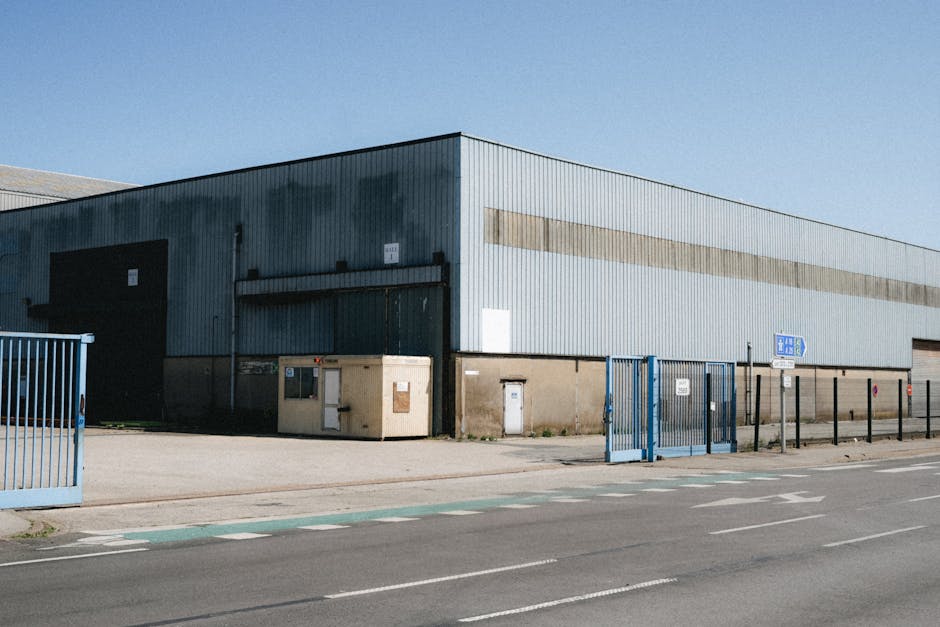
Cutty Sark rubbish clearance for narrow access properties
If you live or work near Cutty Sark, you already know the problem: the space outside may look manageable, but the access can be tight, awkward, or just plain annoying. Narrow stairwells, shared hallways, basement steps, back alley entrances, locked gates, and old terraces all make rubbish clearance harder than it first seems. That is exactly why Cutty Sark rubbish clearance for narrow access properties needs a different approach from a standard collection.
In this guide, we break down how access-friendly clearance works, what to expect on the day, what to avoid, and how to prepare so the job runs smoothly. Whether you are clearing a flat, a maisonette, a small shop, or a home with no easy driveway access, the aim is the same: remove waste safely, quickly, and without damaging walls, bannisters, or your own patience. Let's face it, no one wants a wardrobe wedged halfway down a staircase at 8 a.m.
Table of Contents
- Why Cutty Sark rubbish clearance for narrow access properties Matters
- How Cutty Sark rubbish clearance for narrow access properties Works
- Key Benefits and Practical Advantages
- Who This Is For and When It Makes Sense
- Step-by-Step Guidance
- Expert Tips for Better Results
- Common Mistakes to Avoid
- Tools, Resources and Recommendations
- Law, Compliance, Standards, or Best Practice
- Options, Methods, or Comparison Table
- Case Study or Real-World Example
- Practical Checklist
- Conclusion
- Frequently Asked Questions
Why Cutty Sark rubbish clearance for narrow access properties Matters
Narrow access changes everything. A clearance that looks straightforward on paper can become slow, risky, and costly if the team has to manoeuvre bulky items through tight turns or down narrow stairs. In the Cutty Sark area, that often means older buildings, compact flats, converted houses, and shared entrances where space is at a premium.
The biggest issue is not just getting rubbish out. It is getting it out without causing damage, disruption, or frustration. A careful clearance protects plaster walls, floors, paintwork, and communal areas. It also helps avoid blocked exits, lifting injuries, and neighbour complaints. That matters whether you are clearing a single sofa or an entire property.
Another reason this matters is timing. Access constraints can turn a half-hour job into a longer operation, especially if items need to be dismantled or carried in smaller sections. Good planning keeps the day moving. Poor planning can mean repeated trips, extra labour, and a lot of standing around while someone figures out how to angle a fridge through a doorway that was clearly designed by a very optimistic person.
If your property is part of a wider clearance, you may also want to look at services such as flat clearance, house clearance, or home clearance, depending on the scale of the job. For larger mixed loads, waste removal is often the most flexible option.
How Cutty Sark rubbish clearance for narrow access properties Works
A narrow-access clearance starts with assessment. The team needs to understand how waste will leave the property, not just what needs removing. That means checking stair width, ceiling height, door swing, lift access, hallway bottlenecks, parking restrictions, and any obstacles such as low railings or tight corners.
Once access is understood, the team can decide on the safest method. For example, some items can be carried out intact. Others may need to be dismantled first. A wardrobe might come down in panels. A sofa could be separated into sections. Heavy white goods may need extra lifting equipment or a two-person carry. In some homes, smaller hand-loaded loads are better than trying to force one oversized route through the building.
On the day, a good crew will usually work in a sequence: protect the route, move the easiest items first, keep exits clear, and load efficiently. That sequence sounds simple, but it is the difference between a calm job and a chaotic one. In our experience, the smoothest clearances are the ones where the team is allowed to spend ten minutes planning before the lifting starts.
If the waste includes specialist items, the approach changes again. Old appliances, for example, may need separate handling. For that kind of load, it can help to review fridge and appliance removal. If the job involves bulky soft furnishings, mattress and sofa disposal may be the more suitable route. For furniture-heavy clearances, furniture clearance and furniture disposal are relevant choices.
Key Benefits and Practical Advantages
There are a few clear reasons people choose a specialist rubbish clearance approach for narrow access properties.
- Less risk of damage to stairs, walls, doors, and shared areas.
- Better handling of awkward items like wardrobes, bunk beds, mattresses, appliances, and builder's rubble.
- Faster turnaround because the route and lifting method are planned properly.
- Less stress for residents who do not want to wrestle heavy waste through a tight hallway.
- Cleaner outcomes because the team can separate recyclable material more effectively.
- More flexibility where a skip or large vehicle is not practical right outside the property.
For many readers, the real advantage is peace of mind. Narrow access jobs can be noisy and inconvenient. When done properly, though, they feel almost understated: a few focused trips, some careful lifting, and suddenly the space is clear. That is the kind of service people remember.
Another practical benefit is that access-friendly clearances can often be adapted to the property, not the other way around. Whether the load is from a loft, garage, garden, or office, the method can be adjusted to suit the building. That makes services such as garage clearance, loft clearance, and garden clearance useful if the waste source is more specific.
Expert summary: Narrow access clearance is less about brute strength and more about route planning, item prep, and controlled movement. The best results come from careful preparation, good communication, and a team that knows when to dismantle rather than force a piece through.
Who This Is For and When It Makes Sense
This service is a strong fit if your property has limited access and you need rubbish removed without bringing in a skip or repeatedly carrying waste long distances. That includes flats above ground level, basement properties, terraced homes with narrow rear alleys, commercial units with restricted back-of-house access, and older buildings with tight staircases.
It also makes sense when:
- you have large items that will not comfortably fit through the route;
- you need same-day or scheduled clearance with minimal disruption;
- you are clearing after tenants, renovation work, or a move;
- you cannot leave waste in a public or shared area;
- you want a clearer cost picture than hiring a skip and sorting access issues yourself.
For business premises, narrow access can be particularly awkward because staff, customers, and deliveries all share the same space. In those cases, business waste removal or office clearance may be the better fit, especially if the waste includes desks, packaging, confidential materials, or old filing cabinets.
There is also a practical crossover with builders waste clearance if the load includes rubble, timber, broken fittings, or renovation debris. Narrow access and construction waste do not always mix well, so planning matters even more there.
Step-by-Step Guidance
Here is the simplest way to prepare for a narrow-access rubbish clearance in Cutty Sark.
- Identify the access route. Walk the path from the item to the collection point and note tight turns, low ceilings, steps, locks, and obstructions.
- Measure the biggest items. Width, height, and depth matter. A few centimetres can make the difference between a smooth carry and a blocked doorway.
- Separate what stays and what goes. This avoids mistakes and saves time on the day.
- Flag fragile or awkward items. Glass, mirrors, electronics, and wet materials need different handling.
- Move small loose items into one place. That keeps the route clear and reduces repeated trips.
- Check parking or loading access. If a vehicle cannot stop nearby, say so early. Don't leave it to chance.
- Ask about dismantling. Some large pieces are best taken apart before removal, not during it.
- Confirm disposal needs. Hazardous items, appliances, or specialist waste may need separate handling.
One helpful habit is to think in zones. What can be removed first? What blocks the rest? What might need two people? That simple sorting can cut confusion by half. Maybe more.
If you are dealing with a broad household clear-out rather than one or two items, services like house clearance and home clearance often work well alongside access-sensitive removal planning.
Expert Tips for Better Results
The difference between an awkward clearance and a neat one often comes down to small decisions. Here are the details that genuinely help.
- Measure the narrowest point, not the widest. That is usually the door hinge side, stair bend, or hallway pinch point.
- Clear the route before the team arrives. Shoes, plant pots, baskets, bikes, and laundry can become trip hazards fast.
- Take photos of awkward areas. It helps with planning and avoids surprises.
- Group waste by type. Mixed waste is manageable, but grouped items are easier to handle and sort.
- Use blankets or corner protection where needed. A little protection saves a lot of scuffed paint.
- Leave enough light on stairways and landings. Dim hallways make movement slower and less safe.
- Be honest about access. If the route is genuinely tight, say so. There is no prize for pretending it is easy.
There is also a human side to this. If you live in a shared building, a quick heads-up to neighbours can reduce tension on collection day. Nobody enjoys hearing furniture scrape past a wall first thing in the morning, even if the job is done properly.
For property clearances with furniture, bulky fabrics, or mixed household items, a combined approach can be useful. The most relevant pages here are furniture clearance, furniture disposal, and mattress and sofa disposal.
Common Mistakes to Avoid
Most access problems are avoidable. The usual mistakes are surprisingly basic, which is why they happen so often.
- Not measuring properly. A guess is not a measurement, and stairwells rarely forgive guesswork.
- Leaving bulky items assembled. Sometimes dismantling is the only sensible option.
- Forgetting about communal areas. Landings, entrances, and shared corridors need protection and clear routes.
- Mixing prohibited waste into a general load. Some waste needs separate handling.
- Assuming a skip is the easiest option. On narrow streets or in properties with limited frontage, it often isn't.
- Failing to mention access restrictions early. This can affect pricing, timing, and vehicle choice.
Another subtle one: people often focus on the size of the item, but not its shape. A long, awkward item can be harder to move than a heavier but compact one. Think of a banister, not a suitcase. The shape is the problem.
If you are unsure whether certain materials can be mixed in one load, the page on what can go in a skip is a helpful reference point, even if you are not hiring a skip. It gives a practical sense of what normally needs separate treatment.
Tools, Resources and Recommendations
You do not need specialist equipment to prepare for a clearance, but a few simple tools make the job easier.
- Tape measure for doors, stair widths, and large items.
- Phone camera to record access points and bulky waste.
- Marker labels for items that must stay.
- Protective covering such as blankets or cardboard for delicate floors and corners.
- Basic screwdriver or Allen keys if furniture needs dismantling.
- Strong bags or boxes for loose smaller items.
It also helps to keep documents and sensitive materials separate. For example, if the clearance includes old files, personal paperwork, or archived business records, consider confidential shredding rather than tossing paper into mixed waste. That small step reduces risk and keeps things tidy.
On the business side, some customers like to review pricing and quotes before booking, which is sensible. A proper quote should reflect access difficulty, item type, and the amount of labour involved. Not every narrow-access job costs the same, and that is normal.
Law, Compliance, Standards, or Best Practice
For rubbish clearance in the UK, the main thing is to use responsible waste handling practices. In plain English, that means waste should be collected, transported, and disposed of properly, by people who know what they are doing. If the load includes items that may be hazardous, electrical, or contaminated, they should be handled separately and carefully.
Best practice also means keeping routes safe for residents, neighbours, and workers. In narrow access properties, this matters even more because stairways and shared hallways can become hazards very quickly. Good crews use sensible lifting methods, avoid blocking exits, and protect surfaces where needed. Simple, but important.
If you are clearing a property with sharp debris, broken fittings, plaster, or renovation waste, it is wise to think about the safety side before the moving starts. The company's health and safety policy and insurance and safety pages can help reassure you that these basics are being taken seriously.
Where sustainability is concerned, sorting recyclable items and avoiding unnecessary landfill is generally the right approach. A good clearance provider should be able to explain how materials are treated and why some items are separated. You do not need a lecture. Just a clear answer.
For broader context on responsible disposal and recycling-minded handling, recycling and sustainability is a useful page to review.
Options, Methods, or Comparison Table
Not every clearance uses the same method. The best choice depends on access, waste type, and how quickly you need the space cleared.
| Method | Best for | Pros | Limitations |
|---|---|---|---|
| Manual narrow-access clearance | Flats, terraces, maisonettes, and buildings with tight stairways | Flexible, careful, suitable for awkward routes | Can take longer on complex jobs |
| Bulky item dismantling | Wardrobes, beds, office furniture, and large sofas | Helps items fit through narrow spaces | Needs time and the right tools |
| Mixed-load waste removal | General household or business waste with varied items | Convenient and efficient | Some waste types may need separation |
| Specialist item removal | Appliances, mattresses, hazardous or sensitive waste | Safer handling and correct disposal route | May require additional planning |
In practice, a good job may use a mix of these methods. For example, a narrow-access flat clearance might involve dismantling one wardrobe, carrying out smaller boxes by hand, and arranging appliance removal separately. That is normal. It is not a sign of a problem; it is a sign the job is being handled properly.
Case Study or Real-World Example
Picture a first-floor flat near Cutty Sark with a narrow staircase, a tight front door, and a hallway that turns sharply after the second step. The resident needs a bulky sofa, a mattress, a chest of drawers, and several bags of mixed household clutter removed before a tenancy handover.
A rushed approach would likely mean dragging items, bumping corners, and probably swearing under someone's breath. A better approach is more methodical: the team checks the route first, removes loose items from the hallway, protects the walls at the tightest point, and decides to dismantle the drawers unit before moving it. The sofa is handled in sections, the mattress is carried separately, and the bags are loaded last so they do not block the corridor during the heavy lifting.
By the end, the flat is clear, the staircase is intact, and the building remains calm. No drama. No damage. That is what a good narrow-access clearance should feel like. Almost boring, in the best possible way.
This kind of job often overlaps with flat clearance and, where the furniture is the main issue, furniture clearance. If the property was part of a larger end-of-tenancy cleanout, a broader home clearance approach may be more efficient.
Practical Checklist
Use this checklist before booking or starting the job.
- Measure the tightest doors, turns, stairs, and landings.
- List every item that needs removing.
- Separate waste by type if you can.
- Identify any fragile, heavy, or hazardous items.
- Clear the access route of shoes, bins, bags, and loose objects.
- Check if large furniture needs dismantling.
- Confirm whether parking or loading space is available.
- Protect floors, walls, and corners where needed.
- Tell neighbours or building management if shared space will be used.
- Ask about recycling, specialist disposal, and invoice details before the day.
If your clearance involves a wider property tidy-up, it may help to compare related services such as garage clearance, loft clearance, or builders waste clearance so you can match the service to the actual waste, not just the room it came from.
Conclusion
Cutty Sark rubbish clearance for narrow access properties is really about control: control of access, control of risk, and control of the moving process. When the route is tight, the right planning matters more than muscle. That is the heart of it.
If you prepare properly, choose the right removal method, and work with a team that understands awkward access, the whole job becomes far more manageable. Not perfect. Real life rarely is. But manageable, safe, and a lot less stressful than trying to improvise on the spot.
Get a free quote today and see how much you can save.
And if you are still weighing up the best route for your property, start with the access details, not the rubbish pile. That one shift in thinking can save time, money, and a fair bit of hassle.
Frequently Asked Questions
What counts as a narrow access property in Cutty Sark?
Usually it means a property where moving waste out is restricted by tight stairwells, small doorways, shared hallways, basement steps, internal turns, or limited vehicle access. It is less about the postcode and more about the route out.
Can bulky furniture be removed through narrow staircases?
Often yes, but it depends on the item and the staircase. Some pieces can be carried whole, while others need dismantling. The shape of the item matters just as much as the weight.
Is it better to use rubbish clearance or a skip for a tight property?
For many narrow-access homes and flats, rubbish clearance is easier because the waste is removed directly without needing skip placement outside. A skip can work in some situations, but access and parking can make it awkward.
Do I need to measure my doorways before booking?
It is a very good idea. Measuring the narrowest doors, stair bends, and hallways helps avoid delays and makes it easier to plan dismantling or lifting methods.
What happens if the items will not fit through the access route?
The team may dismantle the item, remove it in sections, or use a different handling method if available. If none of those work safely, they may need to adjust the plan before removal begins.
Can you remove waste from flats above street level?
Yes, provided the access route is safe and manageable. Flat clearances are common in older and converted buildings where lifts are small or staircases are tight.
Do narrow access jobs cost more?
They can, because they may take longer and require more labour or careful handling. The exact price depends on the items, access restrictions, and any special disposal needs.
What kind of waste is hardest to remove in tight spaces?
Large wardrobes, sofa sections, mattresses, appliances, and awkwardly shaped items usually create the most difficulty. Mixed builder's waste can also be tricky if it is heavy or dusty.
How can I prepare a shared hallway for clearance day?
Move loose items out of the route, protect corners if needed, and let residents know when the clearance is scheduled. A clear path makes everything safer and faster.
What if my rubbish includes appliances or hazardous items?
Appliances and hazardous materials should be identified in advance so they can be handled correctly. Items like fridges, chemicals, or other specialist waste may need separate removal arrangements.
Is recycling possible with narrow access clearances?
Yes, and it should be part of the process where practical. Careful sorting often makes recycling easier, especially when furniture, metal, cardboard, and general waste are separated properly.
How do I choose between flat clearance, house clearance, and waste removal?
Choose the service that best matches the type and amount of waste. Flat clearance suits apartments, house clearance suits full-property jobs, and waste removal is often best for mixed loads or one-off clearouts.
Where can I find more information before I book?
You can review service pages such as pricing and quotes, about us, and contact us to understand the service, process, and next steps. If you are comparing options, that is usually the best place to start.